
A Practical Guide to Understanding Nutrition Claims on Food Packaging
“High protein”, “natural”, “no added sugar”, “superfood”: which claims are regulated and which are just marketing? A practical guide to reading food packaging with confidence.
“High protein”, “natural”, “no added sugar”, “superfood”: which claims are regulated and which are just marketing? A practical guide to reading food packaging with confidence.

Fortification adds vitamins and minerals to everyday foods to prevent deficiencies at scale. Learn how it works, what it has achieved, and how to read fortified labels.

No single oil is best for everything. Compare fatty acid profiles, heat stability and traditional Indian oils so you can match the oil to the cooking method.

Each food group is a different nutritional toolbox. See what grains, pulses, vegetables, fruit, dairy, animal foods, nuts and fats each provide, and how they complement one another.
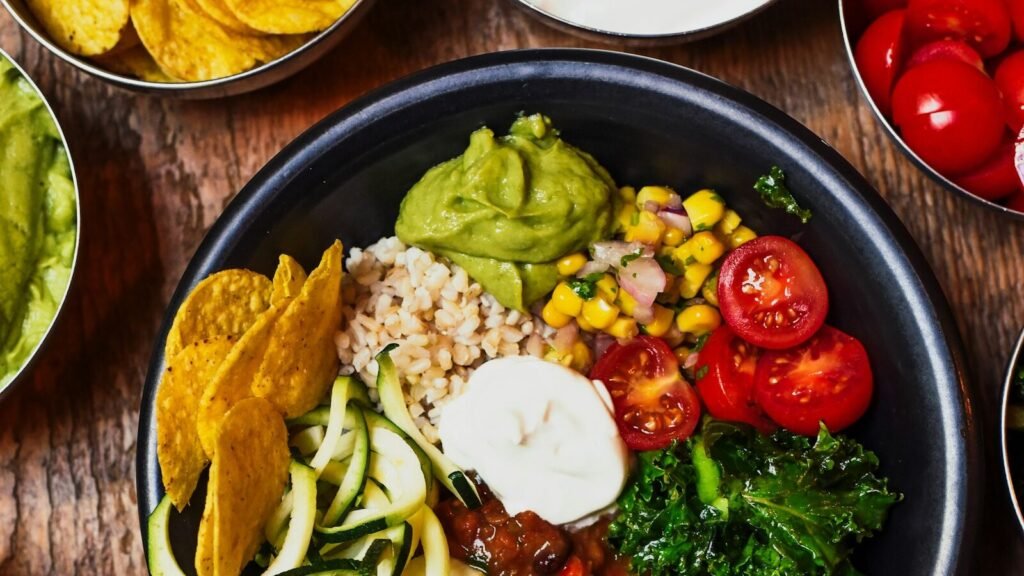
A vegetarian diet can be complete and health-promoting with planning. Learn the key nutrients, a sample day of eating and common pitfalls to avoid.

Empty calories supply energy without much nutrition. Learn what the term means, which foods contribute most and how to cut back without guilt or rigidity.
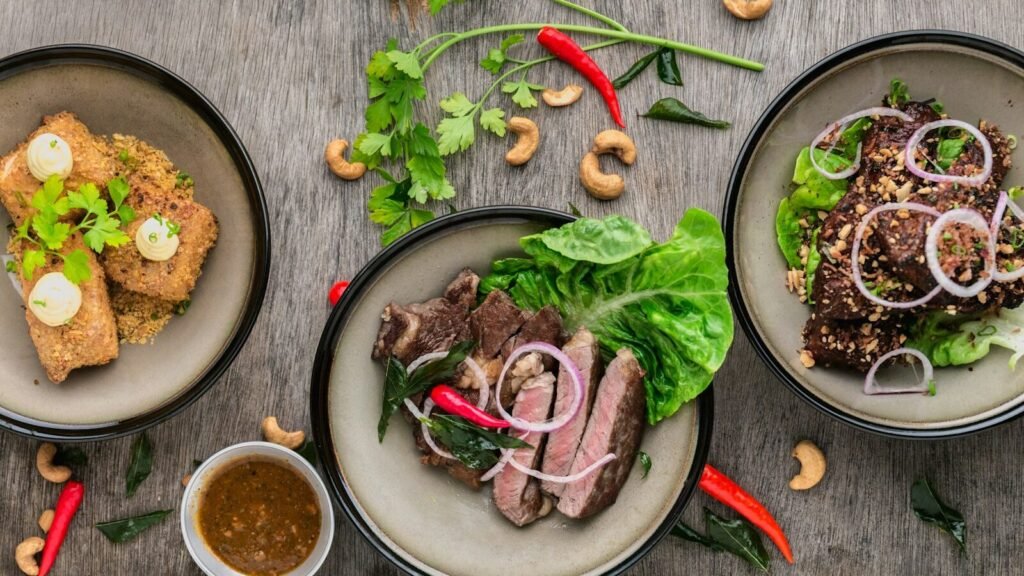
A serving is a label reference amount; a portion is what you actually eat. Learn the difference, how portions have grown, and simple tools for estimating them.

Sugar hides in bread, sauces, yoghurt and “healthy” bars under dozens of names. Learn to read labels, decode ingredient lists and cut hidden sugars.

Water supports temperature, circulation, digestion and cell function. Learn how the body regulates fluid balance, how much you really need, and the truth about coffee, thirst and “eight glasses”.

After a meal, insulin and glucagon keep blood glucose in a tight range. Understand the hormones, what affects glucose spikes, and how to eat for steadier levels.