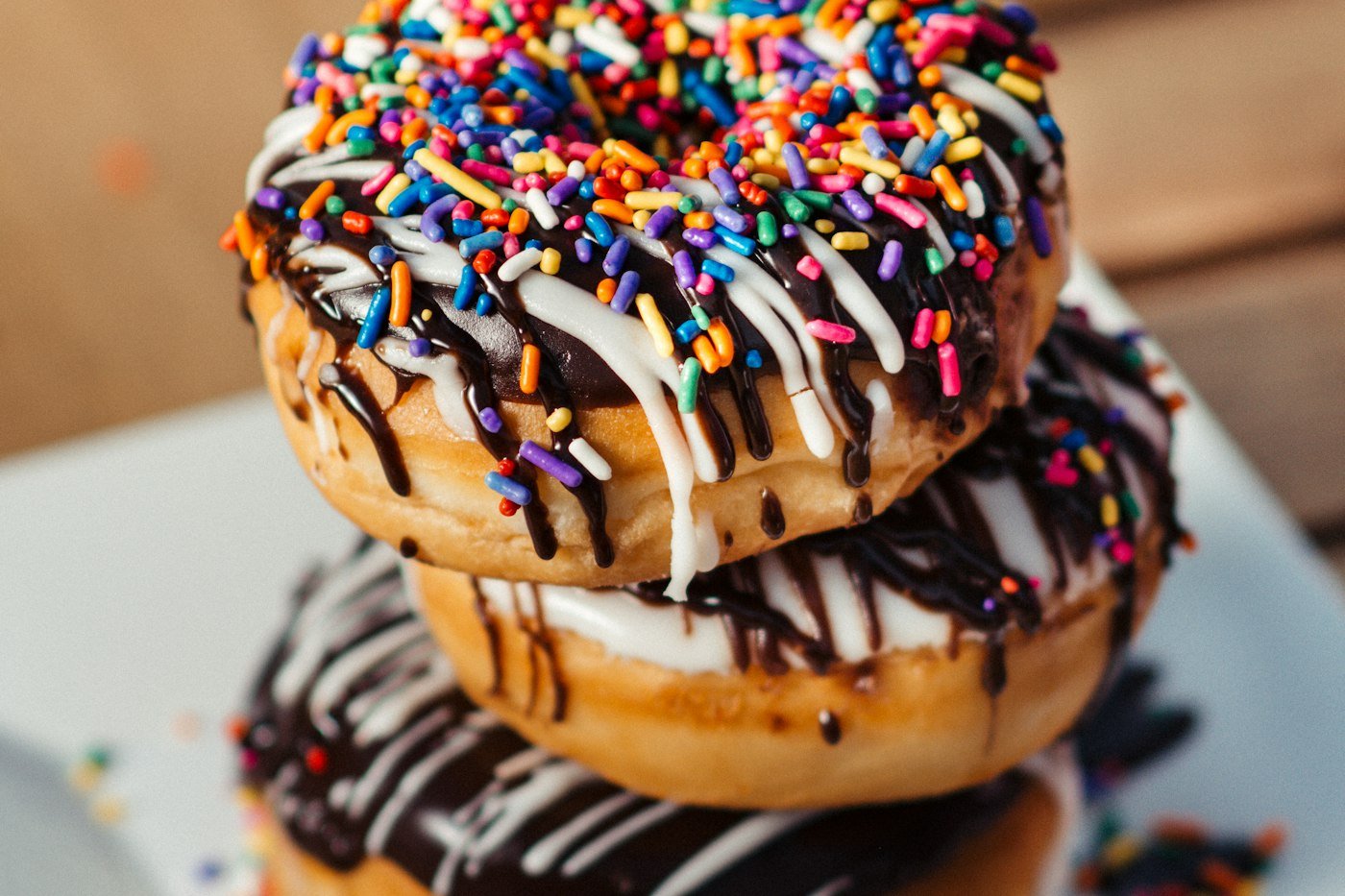
The phrase “empty calories” appears everywhere in nutrition conversation, from school health lessons to diet apps. It is useful shorthand, but it is also often used loosely and, at times, unfairly. This article explains what empty calories really are, which foods they come from, how health agencies define them and how to think about them practically and without guilt.
What Does “Empty Calories” Mean?
Empty calories are calories from foods or drinks that provide energy but few or no essential nutrients, such as vitamins, minerals, protein, fibre or beneficial fats. The term is usually applied to added sugars and solid fats (and sometimes alcohol). In US Dietary Guidelines, these are grouped as “SoFAS” (solid fats and added sugars) or, in more recent guidance, as “foods and beverages higher in added sugars, saturated fat and sodium”. The concept is not that these calories are chemically different. A calorie is a unit of energy, and the body can use calories from any source. The point is that the package delivering those calories lacks the nutrition you would get from alternative foods of similar energy.
Why the Concept Matters: Nutrient Density Revisited
Every person has an energy budget. A moderately active adult might need about 2,000 kcal per day. Within that budget, the body must find around 40 essential nutrients. If a large part of the budget is spent on foods that supply little beyond energy, there is less room for nutrient-rich foods, so it becomes harder to meet requirements for fibre, potassium, calcium, vitamin D, iron, folate and other nutrients without going over on calories. This is the principle behind the idea of “discretionary calories”: the small allowance left after meeting nutrient needs with nutrient-dense foods, which in US guidance is often about 100 to 300 kcal per day for many adults. Empty-calorie foods compete for that allowance.
Common Sources of Empty Calories
| Food or drink | What it provides | What is largely missing |
|---|---|---|
| Soft drinks, sweetened tea and coffee, energy drinks, squash | Sugar (typically 8 to 10 teaspoons per 330 ml can) | Protein, fibre, vitamins, minerals |
| Sweets, candy, mithai, gulab jamun, jalebi | Sugar and fat | Fibre and most micronutrients (some contain milk solids, nuts) |
| Cakes, pastries, doughnuts, biscuits and cookies | Refined flour, sugar, solid fat | Fibre, micronutrients |
| Deep-fried snacks (chips, namkeen, samosas, pakoras, fries) | Refined starch, oil, salt | Fibre, vitamins; may contain trans fat and acrylamide |
| Ice cream and frozen desserts | Sugar, saturated fat | Fibre; some calcium and protein in dairy-based types |
| Alcoholic drinks | 7 kcal per gram of alcohol (plus sugar in mixed drinks) | Nutrients, with additional health risks |
| Processed meats such as sausages, bacon, salami | Protein and fat | Concerns relate more to sodium, nitrites and cancer risk than “empty” calories |
| Refined grains and white bread (partially) | Starch | Fibre, some minerals, though often enriched |
Not all foods in these categories are completely “empty”. A cheese-filled pastry has some protein and calcium, and a fruit-juice drink may have small amounts of vitamin C. “Empty” is a spectrum: the question is how much nutrition accompanies the energy.
Liquid Calories: A Special Case
Sugar-sweetened beverages are the largest single source of added sugar in many diets. Liquid calories are less satiating than solid calories: people tend not to compensate for them by eating less later. Meta-analyses have linked consumption of sugar-sweetened drinks to weight gain in children and adults, higher risk of type 2 diabetes, fatty liver disease, gout and dental decay. Many health authorities, including the WHO, recommend taxes or labelling to limit consumption. Fruit juice, while containing vitamins, concentrates sugar without fibre; the American Academy of Pediatrics advises limiting it for children and avoiding it for infants under one year.
Are Empty Calories “Bad”?
Context matters.
- Quality over perfection: A diet is judged by its overall pattern. Occasional treats within an otherwise nutritious diet are not harmful, and a rigid “no sweets ever” mindset can backfire in some people, leading to restriction and overeating cycles.
- Frequency and quantity matter: It is daily sugary drinks, regular snack foods and fast food that accumulate risks.
- Some situations need energy-dense foods: endurance athletes, people recovering from illness, those with poor appetite or underweight, and young children with high energy needs may legitimately use energy-dense foods. For athletes, sports drinks and gels can be functional during intense long exercise.
- Cultural and social value: sharing festive sweets or traditional foods has value beyond nutrients. The goal is mindful, moderate inclusion.
Calories and Health Outcomes: What the Evidence Says
Large studies, including a 2019 analysis in The Lancet (Global Burden of Disease Study), identify diets low in whole grains, fruit, vegetables and nuts and high in sodium as leading dietary risk factors for death worldwide. High consumption of ultra-processed foods, which are often dominated by empty calories, is associated in observational research with obesity, cardiovascular disease and all-cause mortality. A controlled feeding trial by Kevin Hall at the NIH (2019) found that people eating an ultra-processed diet consumed about 500 kcal per day more and gained weight, compared with an unprocessed diet matched for presented calories, sugar, fat and fibre. This suggests that the food form, palatability and eating speed also matter.
Practical Ways to Reduce Empty Calories
- Start with drinks: replace one sugary drink a day with water, soda water with lemon, unsweetened tea or buttermilk.
- Swap rather than ban: roasted chana or makhana instead of chips; fruit and nuts instead of biscuits; plain popcorn instead of fried namkeen; dark chocolate (70 percent cocoa or higher) in small amounts instead of candy.
- Keep treat foods out of easy reach, not on your desk or counter.
- Check labels for added sugar and saturated fat and compare brands.
- Upgrade, don’t just remove: add nutrient-dense foods such as vegetables, legumes and whole grains so that you feel satisfied.
- Plan treats: choose them deliberately, enjoy them without distraction and in modest portions.
- Cook at home more often, controlling sugar, salt and fat.
- Limit alcohol to guideline levels or avoid it.
Common Misconceptions
- “A calorie is a calorie, so source doesn’t matter.” For energy balance in physics, yes; for satiety, nutrition and long-term health, source matters greatly.
- “Empty calories have zero calories.” They carry full calories, but “empty” of nutrients.
- “Low-fat or diet versions solve it.” Many are still sugary and low in nutrients.
- “Healthy foods can’t be empty.” Sweetened “health” drinks and bars can be nutrient-poor.
- “Natural sugars like honey and jaggery are not empty.” They offer trace minerals only in small amounts and are still added sugars.
Summary
Empty calories deliver energy without meaningful nutrition, typically from added sugars, solid fats, refined starch and alcohol. The goal is not to fear them, but to keep them to a small share of the diet so there is room for nutrient-dense foods. Focus on drinks, snacks and routines that make the biggest difference, and enjoy treats mindfully.
References and Further Reading
- US Department of Agriculture and HHS. Dietary Guidelines for Americans, 2020 to 2025.
- WHO. Healthy diet fact sheet; Guideline: Sugars intake for adults and children.
- Hall KD, et al. Ultra-processed diets cause excess calorie intake and weight gain. Cell Metabolism, 2019.
- GBD 2017 Diet Collaborators. Health effects of dietary risks in 195 countries. The Lancet, 2019.
- Malik VS, Hu FB. The role of sugar-sweetened beverages in the global epidemics of obesity and chronic diseases. Nature Reviews Endocrinology, 2022.
This article is for general education and not a personalised diet plan. If you have concerns about your relationship with food, speak to a qualified professional.