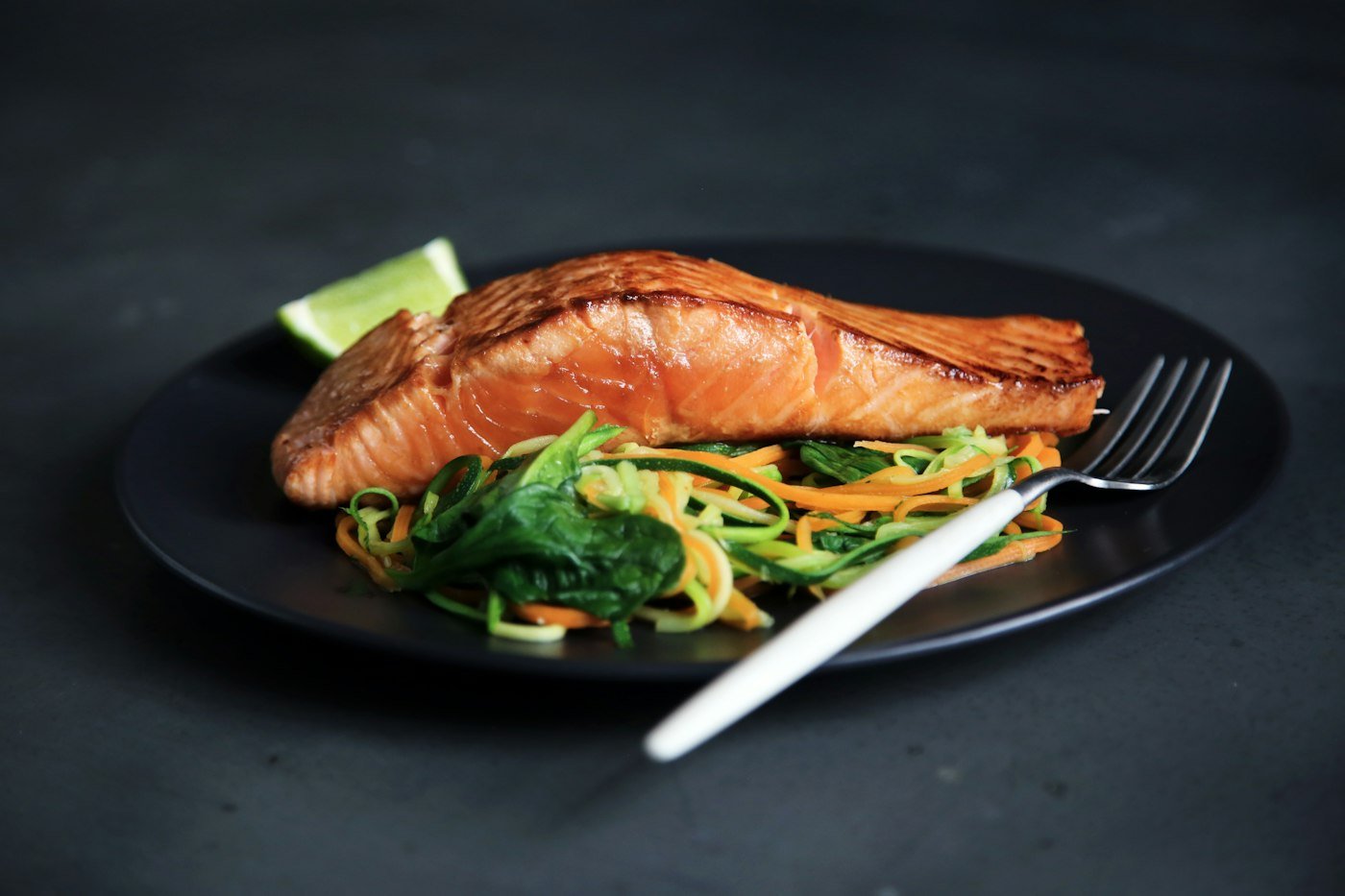
“Is this protein complete?” is a question vegetarians, vegans and fitness enthusiasts hear constantly. The terms complete and incomplete protein have shaped decades of dietary advice, and they are sometimes used in ways that are more alarming than the science warrants. This article explains what the terms mean, which foods fall into each group, how to combine foods wisely and why most people need not worry nearly as much as popular articles suggest.
Defining Complete and Incomplete Proteins
A complete protein contains all nine essential amino acids in proportions that meet human needs. An incomplete protein is low in, or lacks adequate amounts of, one or more essential amino acid. The amino acid in shortest supply relative to need is called the limiting amino acid, because it limits how effectively the rest of the protein can be used to build body proteins.
It is worth noting that almost every food protein contains some of all essential amino acids; “incomplete” usually means that one or two are present in relatively low amounts, not that they are entirely absent. Gelatin is a notable exception, being very low in tryptophan.
Complete Protein Foods
Animal sources
- Eggs, often used as a reference protein because of their excellent amino acid balance
- Milk, curd (yoghurt), cheese and paneer
- Fish and seafood
- Poultry and meat
Plant sources
- Soybeans and soy products such as tofu, tempeh and soy milk
- Quinoa
- Buckwheat
- Amaranth
- Hemp and chia seeds (usually considered complete or near-complete, though eaten in small amounts)
Incomplete Protein Foods and Their Limiting Amino Acids
| Food group | Examples | Typical limiting amino acid |
|---|---|---|
| Cereals | Rice, wheat, oats, maize, millets | Lysine (maize also low in tryptophan) |
| Pulses and legumes | Lentils, chickpeas, kidney beans, peas | Methionine and cysteine |
| Nuts and seeds | Almonds, walnuts, sesame, sunflower seeds | Lysine (varies) |
| Vegetables | Leafy greens, root vegetables | Varies; low total protein |
Protein Complementation: How Foods Fill Each Other’s Gaps
Cereals are low in lysine but relatively adequate in sulphur-containing amino acids. Legumes are high in lysine but lower in methionine. Eat them together, and the combined amino acid pattern is much closer to what the body needs. This is the principle of protein complementation, and it is built into many traditional cuisines worldwide:
- Dal and rice, or khichdi (India)
- Rajma chawal (India)
- Roti with chana or sambar with idli and dosa (India)
- Beans and corn tortillas (Mexico)
- Hummus with pita bread (Middle East)
- Peanut butter on whole-grain bread (West)
- Tofu with rice (East Asia)
Do You Need to Combine at the Same Meal?
In the 1970s, popular books advised combining plant proteins within the same meal. Current scientific position statements, including those of the Academy of Nutrition and Dietetics, indicate that complementary proteins do not need to be consumed at the same meal; the body maintains a pool of free amino acids and the liver and gut can recycle amino acids from day to day. Eating a variety of protein sources over the course of the day is generally sufficient for people consuming adequate calories and protein.
Nevertheless, combining at the same meal is easy, culturally natural and tasty, so there is no harm in continuing the habit.
Protein Quality Is About More Than Completeness
Two other factors determine how useful a protein is:
- Digestibility: animal proteins are typically 90 to 99 percent digestible, while plant proteins may be somewhat lower (often 80 to 90 percent) because of fibre, cell walls and compounds such as phytates and tannins. Soaking, sprouting, fermenting and cooking can improve digestibility.
- Amino acid score: measures such as PDCAAS and DIAAS combine amino acid composition and digestibility into a single number. Egg, milk and soy rank highly; wheat gluten and many cereals rank lower on their own.
Also consider what comes with the protein. Beans and lentils bring fibre, iron, folate and potassium. Fatty fish brings omega-3 fats. Red and processed meats are associated with higher health risks when consumed in large amounts. Protein quality is therefore only one dimension of food quality.
Who Should Pay Closer Attention?
- Vegans and vegetarians with limited variety: regularly including legumes, soy, nuts, seeds and whole grains is important.
- Older adults: may benefit from higher protein intake and high-quality sources to protect muscle mass.
- Children and adolescents: need adequate protein for growth; plant-based diets should be well planned.
- People in food-insecure settings who rely heavily on a single staple such as maize or cassava, where a limiting amino acid and low total protein can both be concerns.
- Athletes and people recovering from illness or surgery: may have higher total needs.
Common Misconceptions
- “Plant proteins are inferior.” Many plant proteins are lower in one or two amino acids, but a varied plant-based diet supports health, growth and athletic performance when total protein and calories are adequate.
- “Animal protein is always complete and therefore always best.” Completeness is valuable, but food packages matter; excessive processed meat intake carries health risks.
- “If I miss a complementary partner at lunch, my protein is wasted.” The body does not discard amino acids from a meal; it uses what it can and pools the rest.
- “Protein powders are needed to get complete protein.” Most people can obtain all essential amino acids from ordinary meals.
Sample Day of Complementary Eating (Vegetarian)
- Breakfast: Besan chilla or moong dal cheela with curd, or oats with milk and nuts.
- Lunch: Dal, rice, mixed vegetable sabzi and salad.
- Snack: Roasted chana, or a handful of peanuts and a fruit.
- Dinner: Whole wheat roti, paneer or tofu preparation, and a vegetable curry with sprouts.
Practical Takeaways
- Eat a mix of cereals, legumes, nuts, seeds, dairy or soy daily.
- Do not stress about perfect combinations at each meal.
- Prioritise total protein adequacy and overall diet quality.
- Use soaking, sprouting and fermenting traditions to improve digestibility.
Summary
Complete proteins deliver all essential amino acids in adequate proportions; incomplete proteins fall short in at least one. Plant foods mostly sit in the incomplete category but complement each other beautifully, particularly cereals and legumes. Because the body draws on a pool of amino acids across the day, diversity matters more than strict meal-by-meal pairing. A thoughtful, varied diet can cover every essential amino acid, whether or not animal foods are included.
References and Further Reading
- Academy of Nutrition and Dietetics. Position of the Academy: Vegetarian Diets.
- FAO. Dietary protein quality evaluation in human nutrition (2013).
- Harvard T.H. Chan School of Public Health. The Nutrition Source: Protein.
- WHO/FAO/UNU. Protein and amino acid requirements in human nutrition.
- USDA FoodData Central.
This article is for general education and does not replace advice from a qualified professional.