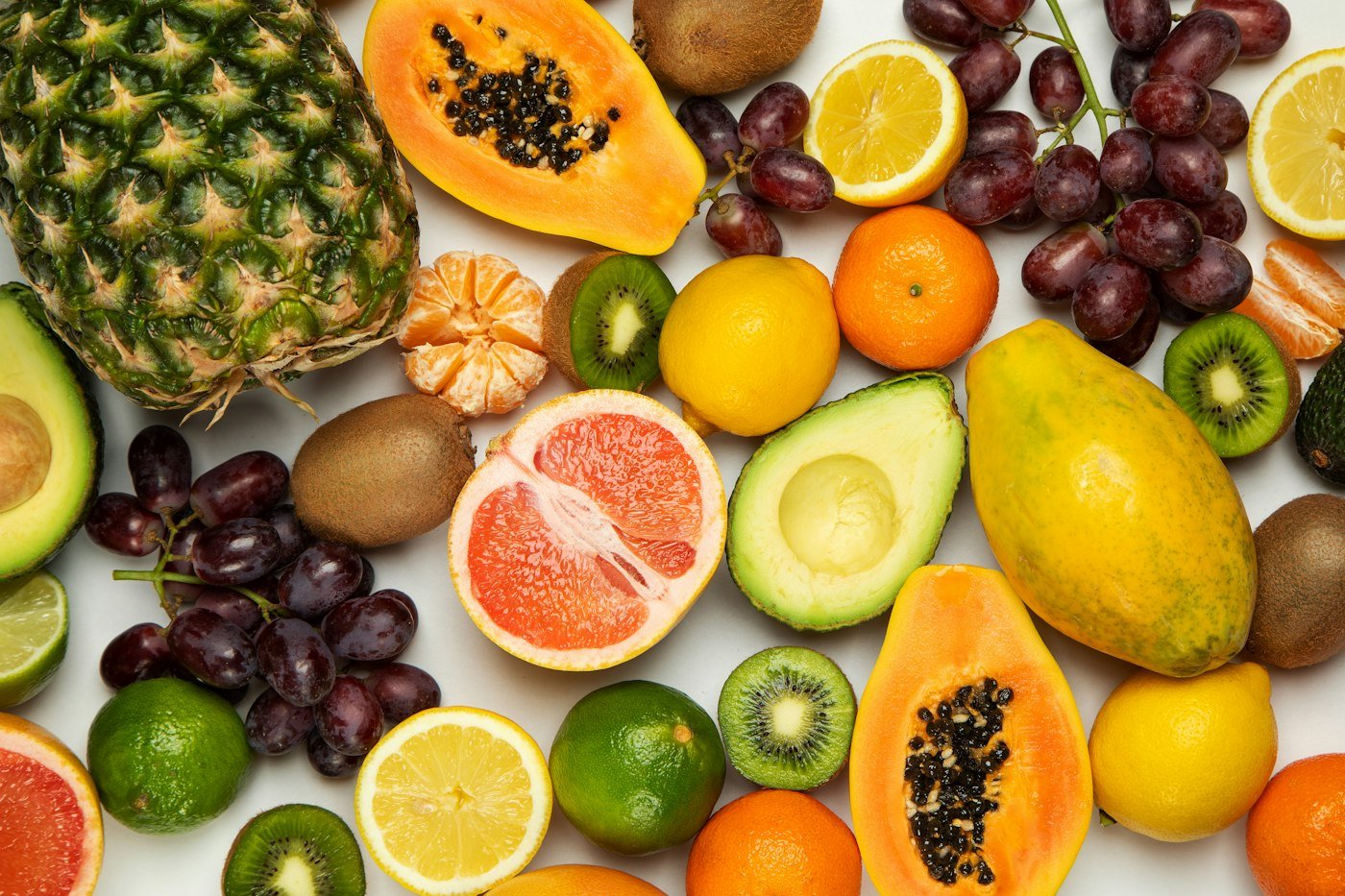
If macronutrients are the bricks and fuel of the body, micronutrients are the tools and wiring that make everything work. Vitamins and minerals are needed in tiny amounts, measured in milligrams (mg) or micrograms (µg), yet a shortfall in even one of them can disrupt vision, immunity, energy production, bone strength or brain development. This guide explains what micronutrients are, how they are classified, which foods provide them and why “small” does not mean “minor”.
What Are Micronutrients?
Micronutrients are vitamins and minerals that the body requires in small quantities for normal growth, metabolism and physiological function. Most cannot be made by the body in sufficient amounts, so they must be obtained from food (or, when needed, from fortified foods and supplements). They do not provide energy themselves, but many of them are essential for converting food into energy.
Vitamins: Organic Helpers
Vitamins are organic compounds, meaning they contain carbon and can be broken down by heat, light or oxygen. There are 13 recognised vitamins, divided by how they dissolve.
Fat-soluble vitamins: A, D, E and K
These are absorbed with dietary fat and can be stored in the liver and fatty tissue. Because they are stored, excessive intake from supplements can accumulate to harmful levels, particularly vitamins A and D.
Water-soluble vitamins: B-complex and C
These include thiamine (B1), riboflavin (B2), niacin (B3), pantothenic acid (B5), pyridoxine (B6), biotin (B7), folate (B9), cobalamin (B12) and vitamin C. They dissolve in water, are generally not stored in large amounts (vitamin B12 being a notable exception, stored in the liver) and are partly lost in cooking water.
| Vitamin | Key role | Example food sources |
|---|---|---|
| A | Vision, immunity, skin | Carrots, sweet potato, spinach, eggs, liver |
| B1 (thiamine) | Carbohydrate metabolism | Whole grains, legumes, nuts |
| B9 (folate) | DNA synthesis, fetal neural tube development | Leafy greens, lentils, citrus |
| B12 | Nerve function, red blood cells | Dairy, eggs, fish, meat, fortified foods |
| C | Collagen formation, antioxidant, iron absorption | Amla, guava, citrus, peppers |
| D | Calcium absorption, bone health | Sunlight exposure, fatty fish, eggs, fortified foods |
| E | Antioxidant protection of cell membranes | Almonds, sunflower seeds, vegetable oils |
| K | Blood clotting, bone proteins | Spinach, kale, fenugreek leaves, mustard greens |
Minerals: Inorganic Essentials
Minerals are inorganic elements from soil and water that plants absorb and animals eat. They are not destroyed by heat or light, though they can leach into cooking water. Minerals are grouped by how much the body needs.
Major minerals (macrominerals)
Required at more than about 100 mg per day: calcium, phosphorus, magnesium, sodium, potassium, chloride and sulphur. Calcium and phosphorus build bones and teeth, magnesium supports over 300 enzyme reactions, and sodium, potassium and chloride regulate fluid balance and nerve signalling.
Trace minerals
Required at less than about 100 mg per day: iron, zinc, iodine, selenium, copper, manganese, fluoride, chromium and molybdenum. Despite tiny quantities, they are indispensable. Iron carries oxygen in haemoglobin, zinc supports immune function and wound healing, iodine is a building block of thyroid hormones, and selenium works within antioxidant enzymes.
Why Do Small Amounts Matter So Much?
Many micronutrients act as cofactors or coenzymes, helpers that enzymes need in order to work. An enzyme without its cofactor is like a machine without its power source. For instance, B vitamins help enzymes release energy from carbohydrates, fats and proteins; magnesium stabilises ATP, the cell’s energy molecule; and zinc is part of hundreds of proteins involved in gene expression and immunity.
Because these roles are so fundamental, deficiencies often cause diffuse symptoms such as fatigue, poor concentration and frequent infections before more specific signs appear.
Global Micronutrient Deficiencies
The WHO describes micronutrient deficiencies as a major global public health concern, sometimes called “hidden hunger” because people may consume enough calories while lacking essential nutrients. The most widespread deficiencies include:
- Iron deficiency, the leading cause of anaemia worldwide, particularly in women of reproductive age, adolescents and young children.
- Vitamin A deficiency, a leading cause of preventable childhood blindness in low-income regions.
- Iodine deficiency, which can impair thyroid function and, in pregnancy, brain development of the fetus.
- Vitamin D insufficiency, common even in sunny countries due to indoor lifestyles, clothing, pollution and darker skin pigmentation reducing synthesis.
- Vitamin B12 deficiency, particularly relevant for vegans and many vegetarians, and older adults with reduced absorption.
Public health strategies such as salt iodisation, flour fortification and supplementation programmes have reduced several of these problems.
Getting Micronutrients From Food
A varied diet is the best foundation. Practical principles include:
- Eat a range of colours. Different pigments often signal different nutrients: orange for carotenoids, dark green for folate and vitamin K, red for lycopene and vitamin C.
- Choose whole or minimally processed grains. Refining removes much of the B vitamins, magnesium and zinc.
- Include legumes, nuts and seeds for magnesium, zinc, iron, vitamin E and folate.
- Pair foods smartly. Vitamin C-rich foods enhance absorption of plant-based (non-haem) iron; a little fat helps absorb carotenoids and vitamin K.
- Cook gently. Steaming, pressure cooking and using minimal water preserve water-soluble vitamins; reuse the cooking liquid in soups or dal where possible.
Common Misconceptions
- “Supplements can replace a healthy diet.” Foods contain fibre, phytochemicals and nutrient combinations that pills do not replicate. Supplements are useful for diagnosed deficiencies, specific life stages or restricted diets.
- “More is better.” Excess vitamin A, vitamin D, iron, zinc and selenium can be toxic. Upper intake levels exist for good reason.
- “Water-soluble vitamins are harmless in any dose.” High-dose vitamin B6 over long periods, for instance, has been linked to nerve damage.
- “Fresh is always more nutritious than frozen.” Frozen vegetables are usually frozen soon after harvest and can retain nutrients well, sometimes better than fresh produce stored for days.
Practical Takeaways
- Micronutrients do not supply calories but are essential for using the calories you eat.
- Variety across food groups is the most reliable way to cover your bases.
- Know the nutrients of concern for your diet pattern, such as B12 for vegans or iron for menstruating women.
- Use blood tests and professional advice before starting high-dose supplements.
Summary
Vitamins and minerals may be small in quantity, but their influence on health is immense. They enable enzymes, build tissues, protect cells and regulate body processes. By eating a diverse, mostly whole-food diet and paying attention to nutrients that are commonly lacking, you can support your body’s complex chemistry without needing to count every milligram.
References and Further Reading
- World Health Organization. Micronutrient deficiencies and Vitamin and mineral requirements in human nutrition.
- NIH Office of Dietary Supplements. Fact sheets on vitamins and minerals (ods.od.nih.gov).
- USDA FoodData Central.
- National Academies. Dietary Reference Intakes series.
- ICMR-NIN. Nutrient Requirements for Indians.
This article is for general education and does not replace personalised medical advice.