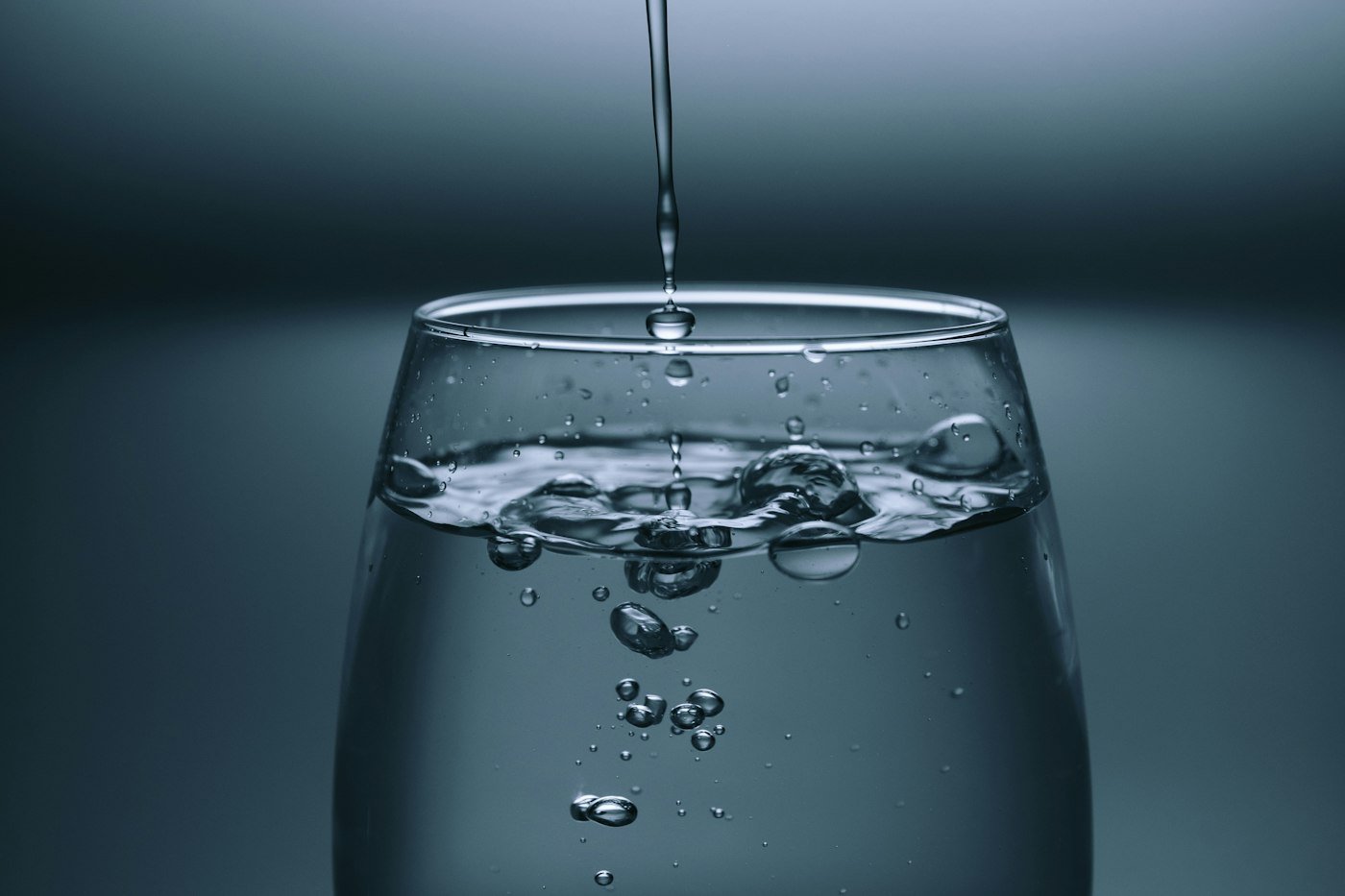
Water makes up roughly 50 to 60 percent of an adult’s body weight, and every system depends on it. Blood, digestive juices, joint fluid, tears, sweat and the interior of every cell are water-based. Yet hydration is surrounded by myths: the “eight glasses” rule, the idea that thirst means you are already dangerously dehydrated, and the belief that coffee dehydrates you. This article explains what water does, how the body regulates it, how much you really need and how to recognise when you need more.
Where Water Lives in the Body
- Intracellular fluid: about two-thirds of body water, inside cells.
- Extracellular fluid: about one-third, including blood plasma and the fluid surrounding cells (interstitial fluid).
Water content varies with body composition: muscle is about 75 percent water, fat about 10 to 20 percent, so lean people have a higher percentage of water than people with more body fat. Babies are about 75 percent water, falling with age; older adults have lower total body water and a blunted thirst response, making them more vulnerable to dehydration.
What Water Does
- Temperature regulation: water has a high heat capacity, and evaporation of sweat cools the body.
- Transport: blood plasma, which is about 90 percent water, carries nutrients, oxygen, hormones and waste.
- Chemical reactions: water is the medium for metabolism and participates in hydrolysis reactions in digestion.
- Waste removal: kidneys use water to excrete urea and other solutes in urine; fibre-rich stool needs water to stay soft.
- Lubrication and protection: joints, eyes, mucus membranes, saliva, spinal fluid and the amniotic sac.
- Cell structure and volume: cell function depends on water balance, which is controlled by electrolytes, particularly sodium and potassium.
- Cardiovascular function: blood volume and pressure depend on fluid balance.
How the Body Regulates Water Balance
Water intake and loss are balanced in the body’s own fine-tuned control system.
Sensing
Osmoreceptors in the hypothalamus detect a rise of just 1 to 2 percent in blood concentration (osmolality) and trigger thirst and the release of antidiuretic hormone (ADH or vasopressin) from the pituitary gland. ADH acts on the kidneys to retain water and produce concentrated urine. Falling blood volume or pressure activates the renin-angiotensin-aldosterone system, prompting sodium and water retention.
Intake
Water enters from drinks (about 70 to 80 percent of intake), food (about 20 to 30 percent, as fruit, vegetables, soups and curries are largely water) and metabolic water produced during oxidation of nutrients.
Losses
Urine (about 1 to 2 litres per day), faeces (about 100 ml), sweat (variable, from about 0.5 litres to several litres per hour during hard exercise in heat) and insensible losses through breathing and the skin (around 0.7 to 1 litre).
How Much Water Do You Need?
There is no single number. The US National Academies set adequate intake for total water from all beverages and foods at about:
| Group | Total water (litres per day) | Of which, from beverages (litres per day) |
|---|---|---|
| Adult men | About 3.7 | About 3.0 |
| Adult women | About 2.7 | About 2.2 |
| Pregnancy | About 3.0 | About 2.3 |
| Breastfeeding | About 3.8 | About 3.1 |
The European Food Safety Authority suggests 2.5 litres (men) and 2.0 litres (women) from all sources. ICMR-NIN advises approximately 2 to 3 litres per day of fluid depending on climate and activity. These are not strict targets, but averages for healthy people. Needs increase with hot weather, high altitude, physical activity, fever, vomiting or diarrhoea, pregnancy and breastfeeding, and high-protein or high-fibre diets. A 2022 study in Science using doubly labelled water measurements found that water turnover varies widely between individuals, from about 1 to 6 litres a day, with age, sex, body size, activity, climate and development level all affecting needs.
Signs of Dehydration
- Mild: thirst, dry mouth, dark yellow and strong-smelling urine, reduced urine volume, headache, fatigue, reduced concentration.
- Moderate to severe: dizziness, rapid heartbeat, very dry skin and mouth, sunken eyes, confusion, little or no urine, low blood pressure. This requires medical attention. Infants and older adults deteriorate quickly.
Even mild dehydration (about 1 to 2 percent body weight loss) can impair mood, concentration, short-term memory and physical performance in studies. Chronic low fluid intake has been associated with increased risk of kidney stones and urinary tract infections, and some observational studies relate it to constipation and kidney function decline, though evidence is not yet conclusive for many of these.
Practical Hydration Indicators
- Urine colour: pale straw colour suggests good hydration; dark amber suggests need for more fluid. Note that B vitamins, beetroot, medications and certain foods can change colour.
- Thirst: for healthy adults, thirst is a reliable cue for day-to-day needs. Older adults, athletes and young children may need to drink on a schedule.
- Frequency of urination: about four to eight times a day is typical.
Which Drinks Count?
- Water is the best default.
- Tea, coffee and other drinks all contribute to fluid intake. Moderate caffeine intake (up to about 400 mg a day, roughly 3 to 4 cups of coffee) does not cause net dehydration in regular consumers, although caffeine has a mild diuretic effect.
- Milk has good hydrating properties in studies, thanks to its sodium, protein and sugar content.
- Coconut water, buttermilk (chaas), lassi, nimbu pani and ORS provide fluid and electrolytes; commercial ORS formulated to WHO standards is the treatment for diarrhoeal dehydration.
- Sugary drinks and juices hydrate but contribute excess sugar and calories; limit them.
- Alcohol has a stronger diuretic effect and is not recommended for hydration.
- Water-rich foods: watermelon, cucumber, oranges, tomatoes, soups, dal and curd contribute meaningfully.
Electrolytes and Sports
Sweat contains sodium (about 0.9 g per litre on average, variable), and smaller amounts of potassium, magnesium and chloride. For exercise lasting under an hour, water is generally sufficient. For prolonged, intense exercise or heavy sweating in heat, drinks containing sodium and carbohydrate help maintain performance and fluid retention. Overdrinking plain water during prolonged endurance events can cause exercise-associated hyponatraemia (dangerously low blood sodium), which can be life-threatening. A good guide is to drink according to thirst rather than forcing fixed volumes.
Too Much Water
Healthy kidneys can excrete about 0.8 to 1 litre of water per hour, so overhydration is rare but can occur with extreme intake in a short time, certain medications or conditions (such as SIADH), heart, liver or kidney disease, and psychiatric polydipsia. Symptoms include headache, nausea, confusion, and in severe cases seizures. There is no benefit from drinking more than needed.
Special Populations
- Older adults: blunted thirst; offer fluids regularly.
- Children: need supervised access to drinks, especially during play and in hot weather.
- People with kidney, heart or liver disease: may be on fluid restrictions; follow medical guidance.
- Pregnancy and breastfeeding: higher needs.
- People working outdoors in heat: need planned breaks and fluids.
Common Misconceptions
- “Everyone needs eight glasses a day.” The figure has no firm scientific basis, and needs vary widely.
- “Coffee and tea dehydrate you.” They contribute to hydration in regular drinkers.
- “Clear urine is the goal.” Pale yellow is enough; consistently clear urine may indicate overdrinking.
- “Drinking lots of water flushes toxins and gives glowing skin.” Kidneys handle detoxification; extra water beyond need has little effect on skin.
- “Water helps weight loss in itself.” Drinking water before meals may modestly reduce intake in some studies, and replacing sugary drinks with water helps, but it is not a magic solution.
Practical Takeaways
- Drink to thirst, and monitor urine colour as a quick check.
- Keep water accessible and drink with each meal.
- Increase fluids in heat, during exercise and illness; use ORS for diarrhoea or vomiting.
- Eat water-rich fruit and vegetables.
- Limit sugary and alcoholic drinks.
- Check with your doctor if you have a condition that affects fluid balance.
Summary
Water supports temperature control, circulation, digestion, waste removal and cellular function, and the body regulates it through thirst, hormones and the kidneys. Needs vary with body, environment and activity. The best approach is to drink to thirst, favour water, eat plenty of water-rich foods, and take extra care in situations that increase losses or reduce the ability to sense thirst.
References and Further Reading
- National Academies. Dietary Reference Intakes for Water, Potassium, Sodium, Chloride, and Sulfate (2005).
- EFSA. Scientific opinion on dietary reference values for water (2010).
- Yamada Y, et al. Variation in human water turnover associated with environmental and lifestyle factors. Science, 2022.
- Armstrong LE, Johnson EC. Water intake, water balance, and the elusive daily water requirement. Nutrients, 2018.
- WHO. Oral rehydration salts; ICMR-NIN. Dietary Guidelines for Indians.
This article is educational and not personalised medical advice.