Calcium gets most of the attention when people talk about strong bones, but phosphorus is calcium’s equal partner. It is the second most abundant mineral in the body, forming the hard crystal structure of bones and teeth together with calcium, and it is a core component of ATP, DNA, RNA and cell membranes. Deficiency is rare because phosphorus is widespread in food, but the form of phosphorus, and the way it is added to processed food, raises interesting questions, particularly for people with kidney disease. This guide explains what phosphorus does and how to approach it wisely.
What Phosphorus Does
An adult body contains about 700 g of phosphorus, with roughly 85 percent in bones and teeth as hydroxyapatite (a calcium phosphate crystal), and the remainder in soft tissues and body fluids.
- Bone and tooth structure: phosphate combines with calcium to give hardness and strength.
- Energy transfer: adenosine triphosphate (ATP) and creatine phosphate carry energy in their phosphate bonds. Every time a muscle contracts or a neuron fires, phosphate groups are being added and removed.
- Genetic material: the backbone of DNA and RNA is built from phosphate and sugar units.
- Cell membranes: phospholipids form the double layer of every cell membrane and the surface of lipoproteins.
- Acid-base balance: phosphate is an important buffer in blood and urine.
- Cell signalling and enzyme activation: phosphorylation, the addition of phosphate groups to proteins, switches many enzymes on or off.
- Activation of B vitamins: several B vitamins need phosphate to become active coenzymes.
How Much Phosphorus Do You Need?
| Group | RDA (mg per day) |
|---|---|
| Infants 0 to 6 months (AI) | 100 |
| Infants 7 to 12 months (AI) | 275 |
| Children 1 to 3 years | 460 |
| Children 4 to 8 years | 500 |
| Children and teens 9 to 18 years | 1,250 |
| Adults 19+ years | 700 |
| Pregnancy and breastfeeding (19+) | 700 |
The tolerable upper intake level is 4,000 mg per day for adults aged 19 to 70 (3,000 mg for adults over 70 and for pregnant women). In practice, most adults in developed countries eat considerably more than the RDA, with average intakes often around 1,000 to 1,500 mg per day.
Food Sources
| Food | Serving | Approx. phosphorus (mg) |
|---|---|---|
| Pumpkin seeds | 28 g | About 330 |
| Salmon, cooked | 3 oz | About 215 |
| Chicken breast, roasted | 3 oz | About 190 |
| Lentils, cooked | ½ cup | About 180 |
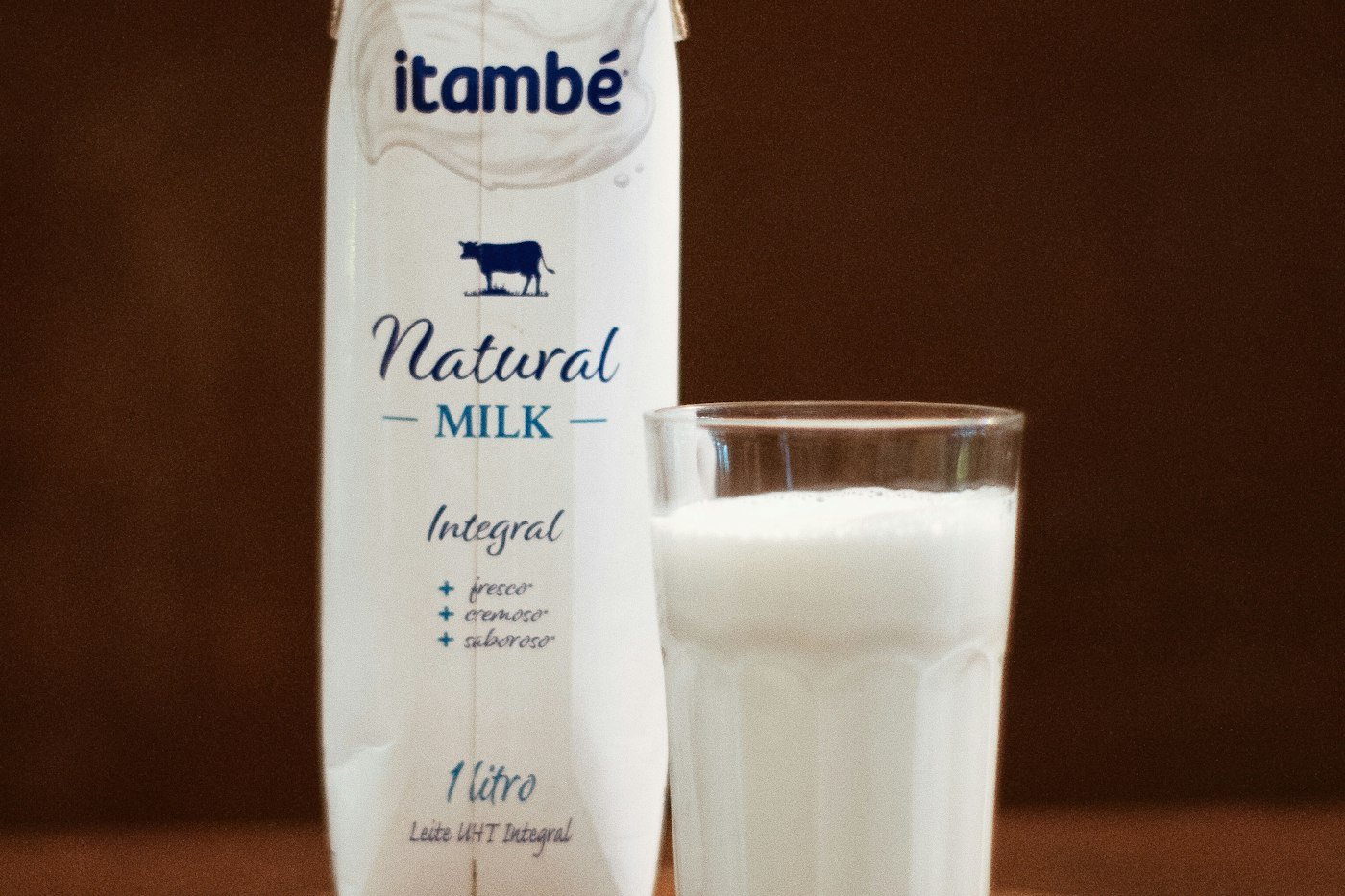
| Milk, 1 percent fat | 1 cup | About 250 |
| Yoghurt, plain, low-fat | 1 cup | About 350 |
| Cheddar cheese | 1 oz (28 g) | About 140 |
| Egg, hard-boiled | 1 large | About 100 |
| Almonds | 28 g | About 130 |
| Brown rice, cooked | ½ cup | About 80 |
| Whole wheat bread | 1 slice | About 65 |
| Potato, baked | 1 medium | About 120 |
Values approximate, from NIH and USDA. Protein-rich foods are generally good sources of phosphorus: dairy, eggs, meat, fish, legumes, nuts and seeds. Whole grains also contain phosphorus.
Phytate: Phosphorus That Is Harder to Absorb
In seeds, grains, nuts and legumes, much of the phosphorus is stored as phytic acid (phytate). Humans lack the enzyme phytase needed to break phytate down efficiently, so absorption of this phosphorus is about 40 to 60 percent compared with roughly 55 to 70 percent from animal sources. Soaking, sprouting, fermenting and leavening (yeast) activate phytase and release phosphate. So the phosphorus in a fermented idli or leavened bread is more available than that in unfermented flour products.
Inorganic Phosphate Additives in Processed Foods
Manufacturers add phosphate compounds, such as phosphoric acid, sodium phosphate and calcium phosphate, to improve texture, retain moisture, preserve colour, leaven baked goods and acidify drinks. Cola drinks, processed meats, processed cheese, frozen convenience foods, baking mixes and some bottled teas often contain them. Unlike natural phosphorus, which is partly bound in food, inorganic additive phosphate is almost completely (90 percent or more) absorbed. Reading labels for ingredients containing “phos” can help identify them. For healthy people, this is not usually a concern, though some researchers worry that chronic high phosphate intake could affect vascular and bone health over time, and the topic is under study.
Calcium and Phosphorus Balance
Calcium and phosphorus levels are controlled by parathyroid hormone (PTH), vitamin D and fibroblast growth factor 23 (FGF23). Historically, there has been concern that diets with a very high phosphorus-to-calcium ratio, such as heavy soda consumption displacing milk, could reduce bone density. Most evidence suggests that if calcium intake is adequate, a high phosphorus intake does not harm bone health in healthy adults, but replacing milk with cola in adolescent diets is associated with lower bone density in some studies, probably because of displacement of calcium-rich foods rather than phosphate itself.
Deficiency
Low phosphorus (hypophosphataemia) rarely arises from diet alone. It occurs in conditions such as:
- Chronic alcohol use disorder
- Refeeding syndrome after prolonged starvation, which is a serious medical risk
- Diabetic ketoacidosis treatment
- Excessive use of aluminium- or magnesium-containing antacids that bind phosphate
- Rare genetic disorders such as X-linked hypophosphataemic rickets
- Malabsorption and some kidney tubular disorders
Symptoms include muscle weakness, bone pain, rickets in children or osteomalacia in adults, loss of appetite, and in severe cases, respiratory failure and cardiac problems.
Too Much Phosphorus and Kidney Disease
Healthy kidneys excrete excess phosphate efficiently. In chronic kidney disease (CKD), however, phosphate builds up in the blood (hyperphosphataemia), disturbing calcium balance, increasing PTH, weakening bones and promoting calcification of blood vessels. People with advanced CKD are usually advised to limit phosphorus, favouring fresh foods over processed ones, and sometimes to take phosphate binders with meals. They should do this under the guidance of a renal dietitian, as protein needs must also be balanced.
Common Misconceptions
- “Cola dissolves your bones.” Phosphoric acid in cola has not been shown to leach calcium from bones in healthy adults; the concern relates to displacement of milk and the sugar load.
- “Everyone should limit phosphorus.” Only people with kidney impairment need restrictions as a rule.
- “Plant phosphorus is useless.” It is less absorbable, but traditional processing improves it.
- “Phosphorus supplements are needed for strong bones.” Dietary intake generally exceeds needs.
Practical Takeaways
- Obtain phosphorus from whole foods such as dairy, eggs, fish, legumes, nuts and whole grains.
- Limit highly processed foods and cola beverages for overall health reasons.
- Pair phosphorus-rich foods with calcium, vitamin D and vitamin K sources for balanced bone health.
- If you have kidney disease, work with a renal dietitian to manage phosphate intake.
Summary
Phosphorus underpins bone structure, cellular energy, genetic material and membranes. It is abundant in protein foods, so deficiency is rare, and the main nutritional issues relate to the high absorption of additive phosphates in processed foods and the need for restriction in kidney disease. For the average healthy person, a diet with a variety of whole foods naturally keeps phosphorus in the right range.
References and Further Reading
- NIH Office of Dietary Supplements. Phosphorus Fact Sheet for Health Professionals.
- National Academies. Dietary Reference Intakes for Calcium, Phosphorus, Magnesium, Vitamin D, and Fluoride (1997).
- Calvo MS, Uribarri J. Public health impact of dietary phosphorus excess on bone and cardiovascular health in the general population. American Journal of Clinical Nutrition, 2013.
- National Kidney Foundation. Phosphorus and your CKD diet.
- ICMR-NIN. Nutrient Requirements for Indians.
This article is for education and not a substitute for medical advice.