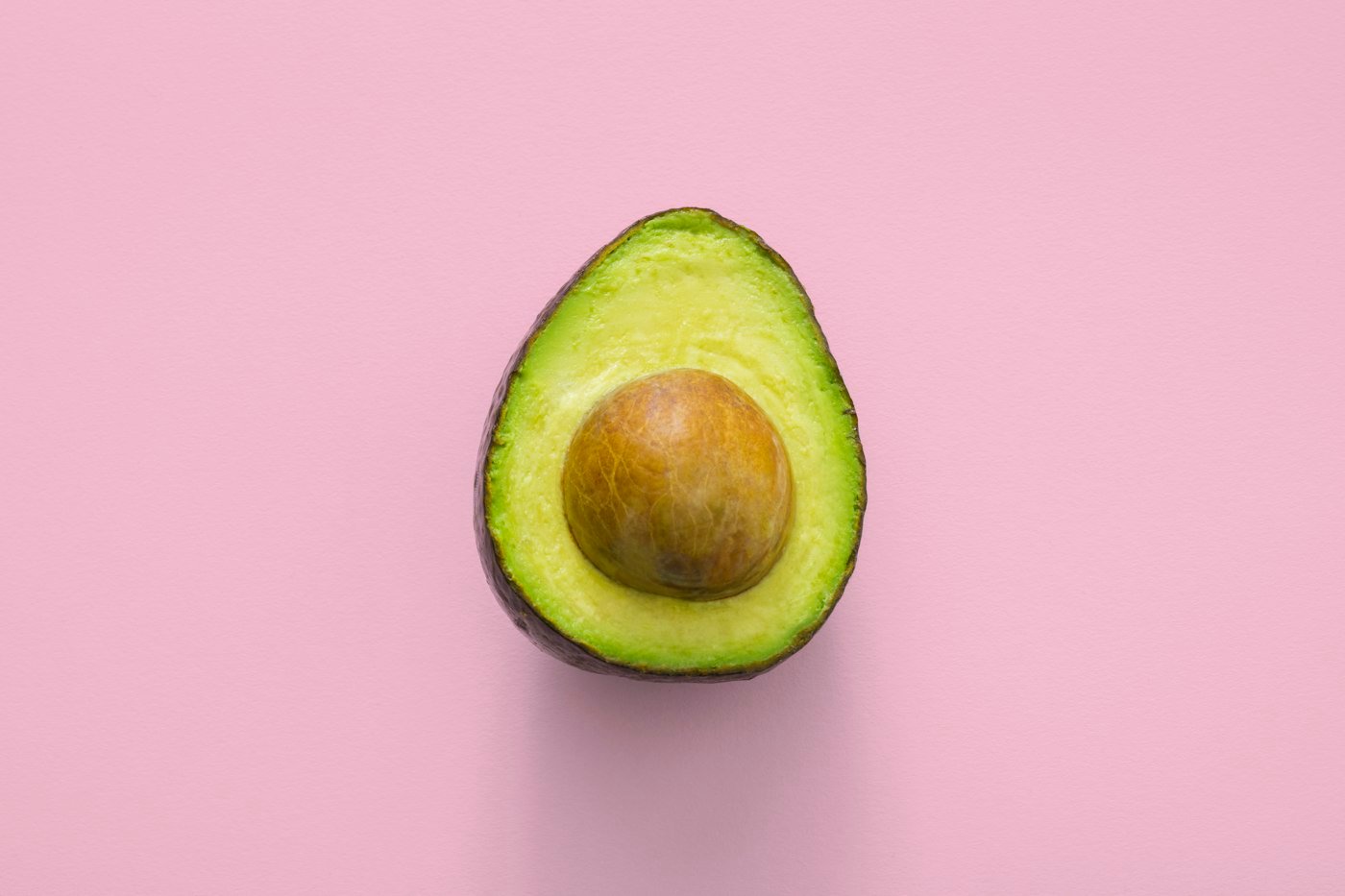
Vitamin E is one of the body’s main fat-soluble antioxidants, protecting the fatty membranes that surround every cell from damage by reactive oxygen species. It is found abundantly in nuts, seeds and vegetable oils, so in many diets it comes naturally, yet surveys in several countries show that a substantial share of people do not reach the recommended intake. This article covers what vitamin E is, what it does, how much you need, which foods supply it and what the research says about supplements.
What Is Vitamin E?
“Vitamin E” refers to eight naturally occurring compounds: four tocopherols (alpha, beta, gamma, delta) and four tocotrienols. Of these, alpha-tocopherol is the only form that meets human requirements, because it is preferentially retained by the liver’s alpha-tocopherol transfer protein and distributed to tissues. Gamma-tocopherol is the major form in many American diets (from soybean and corn oil) but is largely metabolised and excreted.
Supplement labels may list “d-alpha-tocopherol” (natural) or “dl-alpha-tocopherol” (synthetic). Natural forms are about twice as potent per milligram as synthetic forms. The recommended dietary allowance is expressed in milligrams of alpha-tocopherol (mg α-TE).
Functions in the Body
Antioxidant protection
Vitamin E sits within cell membranes and lipoproteins, where it donates an electron to stop chain reactions of lipid peroxidation. After it neutralises a free radical, vitamin C and other antioxidants can regenerate it, so these nutrients work together as a network.
Immune support
Vitamin E influences T-cell function, and studies in older adults suggest supplementation can improve some immune responses. Evidence for preventing infections is mixed.
Cell signalling and gene expression
Beyond antioxidant activity, vitamin E modulates enzymes such as protein kinase C and influences inflammatory pathways.
Skin and eye health
Vitamin E is concentrated in the skin’s outer layers, where it helps protect against UV-induced oxidative stress. Observational studies have linked higher dietary intake with lower risk of certain eye conditions, though large trials of supplementation for age-related macular degeneration (AREDS) used it as part of a combination formula rather than alone.
How Much Vitamin E Do You Need?
| Group | RDA (mg alpha-tocopherol/day) |
|---|---|
| Infants 0 to 6 months (AI) | 4 |
| Infants 7 to 12 months (AI) | 5 |
| Children 1 to 3 years | 6 |
| Children 4 to 8 years | 7 |
| Children 9 to 13 years | 11 |
| Teens and adults (14+ years) | 15 |
| Pregnancy | 15 |
| Breastfeeding | 19 |
The tolerable upper intake level for adults from supplements is 1,000 mg per day of any form of alpha-tocopherol, because high doses can interfere with blood clotting.
Best Food Sources
| Food | Serving | Approx. vitamin E (mg) |
|---|---|---|
| Wheat germ oil | 1 tablespoon | About 20 |
| Sunflower seeds, dry roasted | 28 g (1 oz) | About 7.4 |
| Almonds | 28 g (about 23 nuts) | About 7.3 |
| Sunflower oil | 1 tablespoon | About 5.6 |
| Safflower oil | 1 tablespoon | About 4.6 |
| Hazelnuts | 28 g | About 4.3 |
| Peanut butter | 2 tablespoons | About 2.9 |
| Spinach, cooked | ½ cup | About 1.9 |
| Avocado | ½ fruit | About 2.1 |
| Mango | ½ cup, sliced | About 0.7 |
Values are approximate and drawn from NIH Office of Dietary Supplements data; actual content varies with variety and processing.
Because vitamin E is fat-soluble, eating it with other dietary fat enhances absorption. Nuts and seeds supply their own fat, making them particularly effective sources. Vitamin E is sensitive to heat, light and oxygen; repeated deep frying and prolonged storage of oils degrade it. Refining of oils also removes some, so cold-pressed and minimally refined oils generally retain more.
Deficiency
Primary deficiency in healthy people eating a reasonable diet is rare. It is most often seen in conditions that impair fat absorption such as cystic fibrosis, cholestatic liver disease, Crohn’s disease, and abetalipoproteinemia, or in rare genetic defects of the alpha-tocopherol transfer protein. Premature infants with very low birth weight may also be vulnerable.
Symptoms of deficiency include nerve and muscle damage (peripheral neuropathy, ataxia, loss of coordination), retinal damage and weakened immune function. Haemolytic anaemia may occur in premature babies.
Vitamin E Supplements: What Does the Research Say?
Observational studies suggested that people with higher vitamin E intake had lower rates of heart disease and cancer, and enthusiasm for supplementation grew. However, large randomised controlled trials have generally failed to confirm benefits:
- The HOPE and Women’s Health Study trials found no reduction in cardiovascular events from vitamin E supplements.
- The SELECT trial found that 400 IU per day of vitamin E increased the risk of prostate cancer in healthy men.
- A meta-analysis of high-dose supplement trials raised concerns about all-cause mortality, although results are debated.
- Vitamin E has been studied in non-alcoholic fatty liver disease with some benefit in selected patients under medical supervision.
The consistent message is that getting vitamin E from food is beneficial, while routine high-dose supplementation is not advised for the general public. High doses may also increase bleeding risk, particularly alongside anticoagulant medications such as warfarin or antiplatelet drugs.
Common Misconceptions
- “Vitamin E prevents ageing.” There is no evidence that supplements slow ageing in healthy people.
- “Natural and synthetic vitamin E are the same.” Natural forms are more bioactive per milligram.
- “Applying vitamin E oil removes scars.” Studies do not support that topical vitamin E improves scar appearance and some people develop contact dermatitis.
- “Healthy fats raise vitamin E need beyond food.” Diets high in polyunsaturated fats do increase the need for vitamin E, but the oils that supply them typically provide it as well.
Practical Ways to Get Enough
- Eat a small handful (about 30 g) of almonds, sunflower seeds or hazelnuts most days.
- Use a variety of vegetable oils, such as sunflower, groundnut or mustard oil, in moderation.
- Add seeds to salads, curd, poha, upma or rotis.
- Include leafy greens and avocado in meals, preferably dressed with some oil for absorption.
- Do not exceed the supplement upper limit; consult a clinician before using high doses, particularly if you take blood thinners.
Summary
Vitamin E is the body’s frontline lipid-soluble antioxidant, safeguarding cell membranes and supporting immune function. Nuts, seeds and plant oils are the best sources, and a modest daily portion can meet most people’s needs. While food sources are clearly valuable, large-dose supplements have not delivered promised benefits and may pose risks. Quality food, not high-dose pills, is the best strategy.
References and Further Reading
- NIH Office of Dietary Supplements. Vitamin E Fact Sheet for Health Professionals.
- National Academies. Dietary Reference Intakes for Vitamin C, Vitamin E, Selenium, and Carotenoids (2000).
- Klein EA, et al. Vitamin E and the risk of prostate cancer: the SELECT trial. JAMA, 2011.
- Traber MG, Stevens JF. Vitamins C and E: beneficial effects from a mechanistic perspective. Free Radical Biology and Medicine, 2011.
- USDA FoodData Central.
This article is for education and is not a substitute for professional medical advice.