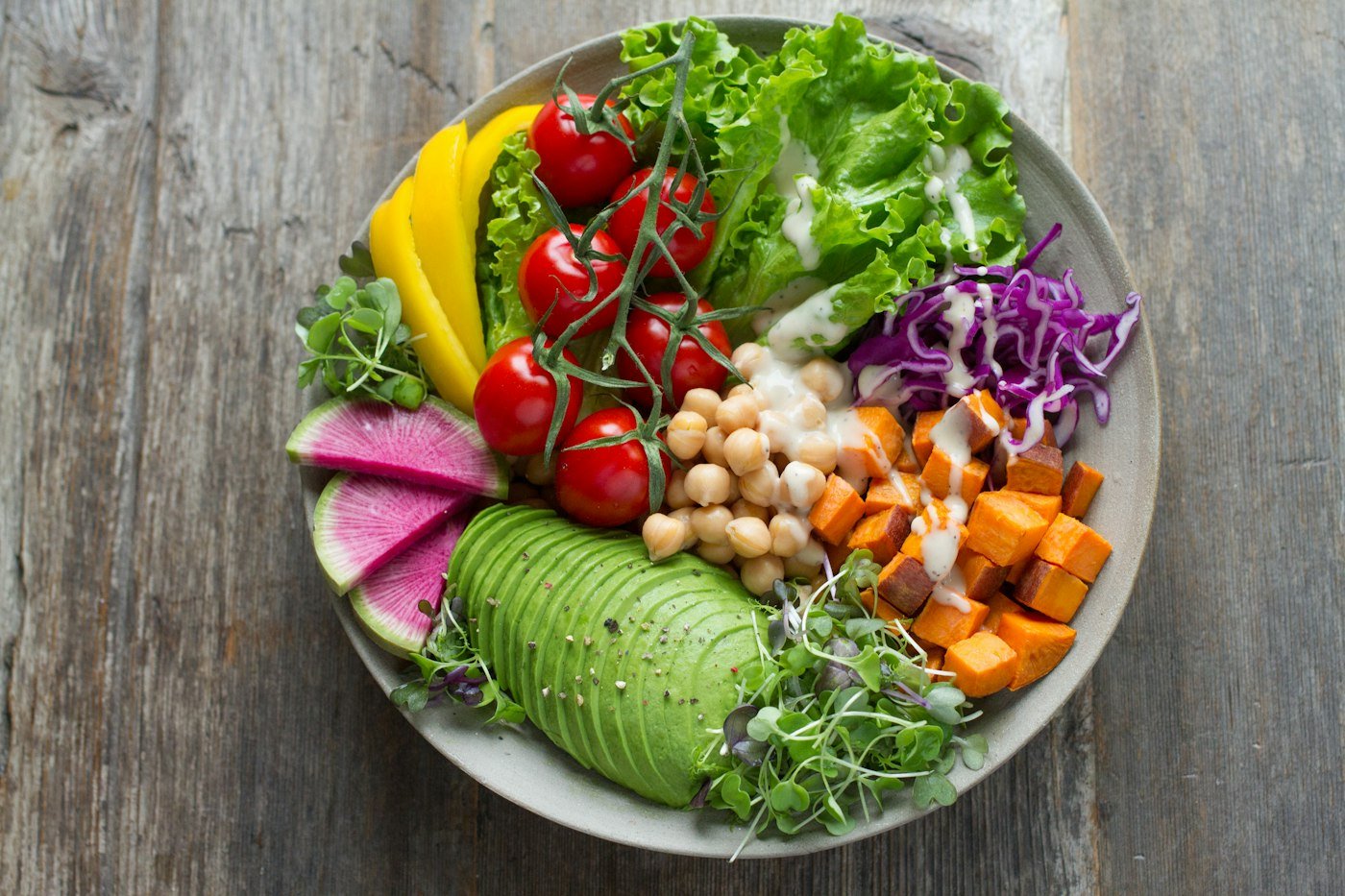
Not all calories are created equal. A 200-calorie portion of lentil soup and a 200-calorie portion of sugary soda deliver the same energy, but their effects on your body are very different. The first brings protein, fibre, iron, folate and potassium; the second brings little beyond sugar. This difference is captured by the concept of nutrient density, one of the most practical ideas in nutrition science for building a healthy diet.
What Is Nutrient Density?
Nutrient density describes the amount of beneficial nutrients a food provides relative to its energy (calorie) content. A nutrient-dense food packs substantial vitamins, minerals, protein, fibre and other beneficial compounds into each calorie, with little added sugar, refined starch, sodium or unhealthy fats. The 2020 to 2025 Dietary Guidelines for Americans define nutrient-dense foods as those that provide vitamins, minerals and other health-promoting components and have little added sugars, saturated fat and sodium.
The opposite of nutrient-dense is often called energy-dense, nutrient-poor, a phrase that describes foods such as sweets, many fried snacks, sugary drinks and refined baked goods.
Nutrient Density vs Energy Density
These two terms are related but different:
- Energy density is calories per gram of food. Water and fibre lower it; fat raises it.
- Nutrient density is nutrients per calorie.
Some foods are energy-dense and nutrient-dense, for example nuts, seeds and olive oil (in appropriate portions). Others are low in energy density and high in nutrient density, such as spinach, tomatoes, and cucumber. And some are high in both energy and low in nutrients, such as sweets and many fried snacks.
| Category | Example | Notes |
|---|---|---|
| Low energy density, high nutrient density | Spinach, methi, tomatoes, berries, broccoli | Lots of vitamins, minerals, fibre for few calories |
| High energy density, high nutrient density | Almonds, walnuts, flaxseed, avocado, eggs | Nutritious but portion matters |
| Low energy density, low nutrient density | Diet soda, iceberg lettuce (relatively) | Few calories, few nutrients |
| High energy density, low nutrient density | Candy, deep-fried snacks, pastries | Calories dominate; little nutrition |
How Is Nutrient Density Measured?
Researchers have developed several nutrient profiling systems. Examples include the Nutrient Rich Foods Index (NRF), which scores foods based on beneficial nutrients (such as protein, fibre, vitamins and minerals) minus nutrients to limit (saturated fat, added sugar, sodium), and the Aggregate Nutrient Density Index (ANDI), a popular but less scientifically validated score. In practice, you do not need a formula: whole, minimally processed plant and animal foods tend to rank well.
Examples of Nutrient-Dense Foods
- Leafy greens (spinach, amaranth leaves, fenugreek, kale): vitamins A, C, K, folate, iron, calcium and magnesium.
- Legumes (lentils, beans, chickpeas): protein, fibre, folate, iron, potassium, magnesium.
- Whole grains (oats, millets, brown rice, whole wheat): fibre, B vitamins, magnesium, zinc.
- Fruits (amla, guava, papaya, berries, citrus): vitamin C, potassium, phytochemicals.
- Nuts and seeds: healthy fats, vitamin E, magnesium, selenium, zinc.
- Eggs: complete protein, choline, vitamin B12, vitamin D, lutein.
- Fish, especially oily types: omega-3 fats, vitamin D, iodine, protein.
- Dairy or fortified alternatives: calcium, protein, B12, iodine and potassium.
Why Does Nutrient Density Matter?
Every person has a calorie “budget” determined by body size, age, sex and activity. Within that budget, you need to meet requirements for around 40 essential nutrients. If calories are spent on foods low in nutrients, it becomes difficult to meet needs without exceeding energy requirements. Nutrient-dense choices help fill the nutrient requirements within the energy budget, which supports growth, immunity, energy levels and long-term health. Poor nutrient density is a characteristic of diets linked to being overweight and having deficiencies at the same time, the so-called double burden of malnutrition.
Is Fresh Always More Nutrient-Dense?
Not necessarily. Frozen vegetables and fruits are often frozen within hours of harvest and can retain vitamin C and other nutrients. Canned beans and tomatoes are convenient and nutritious (rinse beans to reduce sodium). Cooking may reduce some vitamins but boosts others, such as lycopene from cooked tomatoes and beta-carotene from cooked carrots. Nutrient density depends on what is added during preparation as well: deep frying or adding lots of sugar or salt reduces overall nutritional quality.
Boosting Nutrient Density at Every Meal
- Half-fill your plate with vegetables and fruit. This raises fibre, vitamins and minerals while lowering energy density.
- Choose whole grains over refined. Whole wheat roti, brown rice, jowar, bajra and ragi retain bran and germ.
- Upgrade snacks. Swap biscuits for roasted chana, fruit with nuts, makhana or sprouts chaat.
- Add legumes and seeds to everyday dishes: a spoon of flaxseed in dough, dal in paratha filling, pumpkin seeds on salad.
- Use oils and fats wisely. Choose healthier oils in moderate amounts rather than cutting fat entirely, since fats help absorb fat-soluble vitamins.
- Limit sugar-sweetened drinks. They contribute large amounts of energy with minimal nutrients.
- Cook with spices and herbs such as turmeric, coriander, mint and curry leaves for flavour and phytochemicals instead of heavy salt.
Nutrient Density Across Life Stages
- Young children have small stomachs but high nutrient needs, so energy-dense, nutrient-rich foods such as eggs, dairy, pulses and nut butters are valuable.
- Pregnant and breastfeeding women need more iron, folate, iodine, choline and calcium without a proportional rise in energy needs.
- Older adults often eat less and need high nutrient density to maintain muscle and bone while keeping calories moderate.
Common Misconceptions
- “Low-calorie means healthy.” A low-calorie food can be nutrient-poor, and a higher-calorie food, such as nuts, may be very nutritious.
- “Superfoods are the only nutrient-dense foods.” Everyday foods like lentils, peanuts, carrots, guava and curd are impressive nutritionally and often more affordable than exotic items.
- “Nutrient-dense eating is expensive.” Seasonal produce, pulses, eggs, millets and groundnuts are among the most cost-effective sources of nutrition.
- “Supplements make up for low nutrient density.” They cannot reproduce the complete package of food components.
Practical Takeaways
- Ask: “What am I getting for these calories?”
- Base your diet on minimally processed foods across all groups.
- Treat nutrient-poor foods as occasional extras, not daily staples.
- Watch portion size for nutrient-dense but energy-dense foods such as nuts, oils and dried fruit.
Summary
Nutrient density is a simple lens for evaluating food: how much nutrition do you get per calorie? Vegetables, fruit, legumes, whole grains, nuts, seeds, eggs, fish and dairy score highly, while sugary and highly refined foods do not. Prioritising nutrient-dense foods does not require perfection; it requires making many small upgrades that together help you meet your nutritional needs within your energy budget.
References and Further Reading
- US Department of Agriculture and HHS. Dietary Guidelines for Americans, 2020 to 2025.
- Drewnowski A. Concept of a nutritious food: toward a nutrient density score. American Journal of Clinical Nutrition, 2005.
- WHO. Healthy diet fact sheet.
- Harvard T.H. Chan School of Public Health. The Nutrition Source.
- ICMR-NIN. Dietary Guidelines for Indians.
This article is for general education and is not individual medical advice.